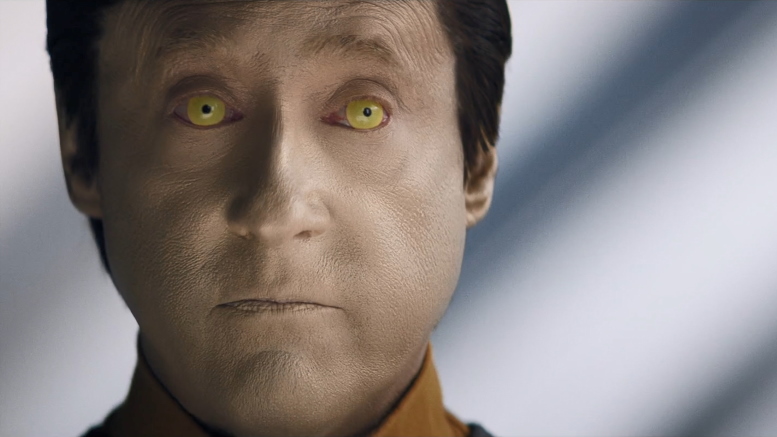
Many years ago — many years ago — I dreamed about the arrival of AI. I adore the science fiction genre (which is why it’s what I write most), and the idea of naturally conversing with a computer has existed since time immemorial. In fact, many of my stories feature artificial intelligences that play a major role in the plot.
When I heard that the first models of what we now call “AI” (even though they really aren’t) were going to be released, I admit I was thrilled. My first conversations with ChatGPT felt like a dream come true. It didn’t take long for us to realize that there was still a long way to go before achieving true artificial intelligence, but I no longer doubt that we will encounter it sooner rather than later.
The thing is, over these last few years, we have gone from curiosity to a genuine revolution — and not always for the better. The fierce competition between companies trying to create the best “intelligence” is leaving us with several worrying issues.
- Resource consumption is one of the main concerns.
- Another, more unexpected issue is the massive replacement of specialized labor by chatbots.
It is obvious that these systems are not ready for that, nor can society make such a drastic leap without preparation.
I believe that, in the future, humanity will no longer need to work. Human beings should live to think, to improve our civilization and our planet… not to waste our lives working five days a week, eight hours a day. We should aim higher… but this is not the time. Not yet.
Anyway, I don’t want to get sidetracked. Another problem we face is the degradation of artistic creation, whether in illustration, writing, or other forms of art. It should not be this way, and I hope this is mostly a passing trend.
So I want to make my position clear from the very beginning: I do not support the use of generative AI to create art. I believe what we are seeing is abuse, saturation, and pure creative laziness.
That said, I also think it is a mistake to lump everything together.
Not All AI Is the Same
When people talk about “AI,” they often mix together several very different things:
- Generative AI creates images, texts, videos, or music from prompts. It is the most visible aspect and, at the moment, the most problematic one.
- LLMs (such as ChatGPT, Gemini, or Grok) are language models: good at conversation, summarizing information, or handling tedious tasks, but without any real understanding of the world.
- Specialized AI is the type that is truly achieving impressive breakthroughs because it is designed to solve specific tasks.
- General AI or AGI (the kind that would genuinely think and create autonomously) does not yet exist.
Examples That I Do Consider Valuable
Specialized AI is accomplishing things that once seemed impossible:
- AlphaFold (created by DeepMind) largely solved one of biology’s greatest challenges: accurately predicting how proteins fold. This was a problem that had remained unsolved for more than 50 years. People used to say it would require more time than the Universe itself will exist to overcome it. In 2022, they released the structures of nearly 200 million proteins. Thanks to this breakthrough, research into new medicines and the understanding of diseases has taken a huge leap forward. In 2024, Demis Hassabis and John Jumper received the Nobel Prize in Chemistry for this work.
- In medicine, specialized AI systems for diagnostic imaging already match or surpass experienced radiologists in detecting certain types of cancer. Studies published in Nature and The Lancet have shown that these models detect breast tumors in mammograms with fewer false negatives than doctors, potentially saving lives through earlier diagnosis.
These cases are not replacing human creativity. They are expanding our ability to understand and solve real problems.
The Real Problem: The Abuse of Generative AI
Where I do believe we must be highly critical is in the massive use of generative AI to create “art.”
It is being used irresponsibly:
- Saturating the market with low-quality content.
- Devaluing the work of people who truly invest experience, effort, and life into their creations.
Human creativity remains unique. It is born from pain, experience, sleepless nights, wounds that never fully heal, and the imperfections that make us deeply human. A machine may imitate styles, but it cannot feel the weight of a glance that changed your life.
That is why I advocate for the responsible use of these technologies: as supportive tools, for exploring ideas, or for speeding up repetitive tasks — but not as substitutes for the creative soul.
In the end, generative AI will not kill art. What may kill it is if we stop valuing what is authentic, imperfect, and profoundly human.